In the world of martial arts, the origins and evolution of various techniques often hold a certain mystique. One such intrigue revolves around the connection between Okinawan dance, known as Mēkata (Okinawa dialect meaning way of dancing), and the development of Karate.
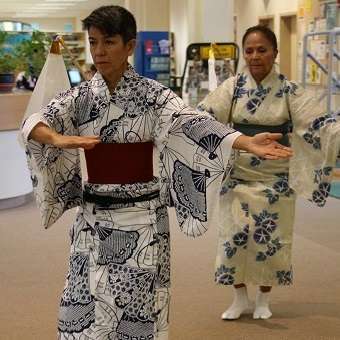
Mēkata, also written as 舞方, stands as an ancient and revered form of traditional Okinawan dance that predates the emergence of Karate. This art form is characterized by its graceful and rhythmic movements, serving as a medium for expressing narratives steeped in cultural and historical themes.
Originating in the heart of Okinawa’s rural communities, Mēkata found its roots as a source of entertainment during a myriad of occasions, from vibrant festivals to heartfelt celebrations. These captivating dances were inextricably linked to Okinawa’s agricultural heritage and the spiritual traditions woven into the fabric of its society.
Across the diverse regions of Okinawa, Mēkata took on a multitude of unique variations, each endowed with its distinct style and captivating storytelling. These regional nuances in Mēkata illuminated the rich cultural diversity that defines Okinawan heritage.
Beyond their role as artistic performances, Mēkata and other traditional Okinawan dances held profound cultural significance. They transcended the realm of mere physical movements, assuming the role of cherished vessels for preserving Okinawa’s storied history, its rich folklore, and the very essence of its cultural identity.
Mēkata’s influence extended far beyond the confines of entertainment. These dances seamlessly intertwined with various facets of Okinawan life, blending into rituals, joyous celebrations, and the daily lives of its people. In doing so, they forged deep connections that bound the physical, cultural, and spiritual aspects of Okinawan society into a harmonious whole.
Debunking the Hidden Technique Myth.
The idea that Okinawan dance secretly concealed Karate techniques may sound intriguing, but historical evidence suggests otherwise. The first mentions of this claim only surfaced in the early 20th century, championed by figures like Funakoshi. Funakoshi made hints that Mēkata could be a precursor to Karate. Ironically, these dances had largely fallen into obscurity by the 1950s, possibly as part of a post-war effort to resurrect fading cultural heritage by linking it to the burgeoning Karate movement.
Moreover, the notion that these dances, predominantly originating from lower-class communities, held concealed knowledge of upper-class self-defense techniques seems unlikely. If such techniques were widely known, their effectiveness would be diminished. The idea that dances deliberately veiled Karate techniques lacks historical substantiation.
Nevertheless, we have the style Motobu Udundi, which actually contains a martial arts dance reminiscent of the principles found in Tai Chi.
The Tai Chi Connection.
Tai Chi, often referred to as Tai Chi Chuan is a Chinese martial art renowned for its slow, flowing movements and emphasis on balance, relaxation, and inner strength. Much like Mēkata, Tai Chi is deeply rooted in history, philosophy, and cultural heritage.
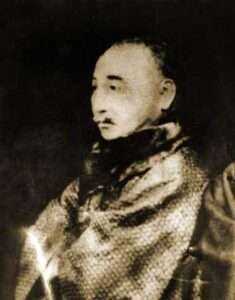
In both Motobu Udundi and Tai Chi, there exists a fusion of martial techniques and graceful, rhythmic movements. While Tai Chi is renowned for its health benefits and meditation-like aspects, it also encompasses martial applications, albeit in a soft and flowing manner. Similarly, the martial arts dance within Motobu Udundi, such as the Anji-kata nu Mēkata, combines martial principles with dance forms.
These similarities suggest that, like Tai Chi, the martial arts dance in Motobu Udundi serves as a vehicle for developing physical prowess, mental focus, and a deep connection to cultural traditions. While Tai Chi and Motobu Udundi may hail from different regions and cultures, they share a common thread in their approach to martial arts as a harmonious blend of movement, meditation, and cultural preservation.
In summary, the connection between Okinawan dance, martial arts, and cultural heritage is intricate and multifaceted. While the connection between Mēkata and Karate remains a subject of fascination, historical evidence suggests that the idea of dance deliberately concealing Karate techniques is more myth than reality. Instead, these dances offer a glimpse into Okinawa’s rich history, where tradition and martial arts have been intertwined for centuries, much like the harmony found in Tai Chi.
Thanks for reading.
Gert